Business Funding for Veteran-Owned Businesses Guide 2026
Veteran-owned businesses hit a funding gap that generic small business loans don't close: government contracts pay on 30-90 day cycles, trucking fleets need repair capital overnight, and franchise buy-ins require a down payment before a single dollar of revenue comes in. This guide breaks down what actually matters in business funding for veteran-owned businesses in 2026, industry by industry, with a clear verdict on each option.
- Business funding for veteran-owned businesses works best when matched to the industry — franchise, trucking, construction, or manufacturing.
- SBA 7(a) loans cap at $5 million but often take 30-60 days to close in 2026.
- Franchise financing is a Buy for veterans buying into a proven operating system instead of starting from zero.
- Working capital loans for trucking companies can fund in as fast as 24-48 hours during 2026.
- Skip merchant cash advances with daily ACH pulls — they clash with irregular government contract payment cycles.
Why This Matters
A veteran-owned construction firm bidding on a public contract doesn't need the same funding structure as a veteran-owned e-commerce shop or a solo trucking operator. Yet most lenders push the same generic term loan regardless of what the business actually does day to day.
Trifecta Business Group builds funding around how the business actually gets paid — contract mobilization, freight terms, seasonal buildout, or franchise ramp-up — rather than forcing every applicant into one product. That distinction matters more in 2026, when interest rate volatility has made lenders tighter on underwriting across the board.
Who This Is For
This guide is for veteran business owners running trucking fleets, construction and government contracting firms, franchise locations, or manufacturing operations who need capital tied to how their revenue actually cycles — not a flat monthly loan payment that ignores 30-to-90-day payment terms. If you're bootstrapping a side business with no employees and no contracts yet, most of what's below won't apply until you have revenue history to underwrite against.
What to Look For in Business Funding for Veteran-Owned Businesses
Speed to Funding When a Contract Starts
Government and prime contracts often require mobilization before the first invoice clears. A funding product that takes 60 days to fund is useless if the job starts in two weeks. Look for lenders who can turn around approval in days, not months, for time-sensitive contract work.
Equipment and Collateral Flexibility
Trucking, construction, and manufacturing all run on expensive equipment — trucks, excavators, CNC machines. Financing that lets the equipment itself serve as collateral usually beats an unsecured loan with a higher rate, because the lender's risk (and your rate) drops when there's a hard asset backing it.
Terms That Fit Irregular, Contract-Based Revenue
A fixed daily or weekly repayment schedule assumes steady cash flow. Veteran-owned businesses tied to government or brokered freight contracts get paid in lumps, not steady drips. Repayment structures that flex with invoice cycles avoid the cash crunch that kills otherwise-healthy contractors.
Growth Capital That Scales With New Locations or Crews
A single approval that only covers today's needs forces you back into the application process every time you win a bigger job or open a second location. Funding relationships that scale with revenue growth save the six-to-eight-week underwriting cycle every time you expand.
Transparent Repayment Without Daily Withdrawals
Daily ACH pulls on a merchant cash advance can drain a bank account during a slow payment month, which is common in both freight and government contracting. Clear, predictable repayment terms protect working capital during the exact months contract-based businesses are most vulnerable.
Support Beyond the Check
Funding alone doesn't fix a business that's undercapitalized because of weak positioning or a stalled marketing pipeline. Consulting and marketing support paired with capital — not just a wire transfer — closes the gap between getting funded and actually scaling.
Top Picks for Veteran-Owned Business Funding
Franchise Financing — the Proven-System Pick
Initial franchise fees typically run $20,000 to $50,000 before build-out costs, and most franchisors require proof of capital before they'll even sign a territory agreement. Financing structured around the franchise disclosure document and territory rights, rather than a generic business loan, moves faster because the lender already understands the brand's track record. Verdict: Buy for veterans who want a tested operating model instead of building a brand from zero. Details are on the franchise owner funding page.
Trucking Company Working Capital — the Fleet-Repair Fix
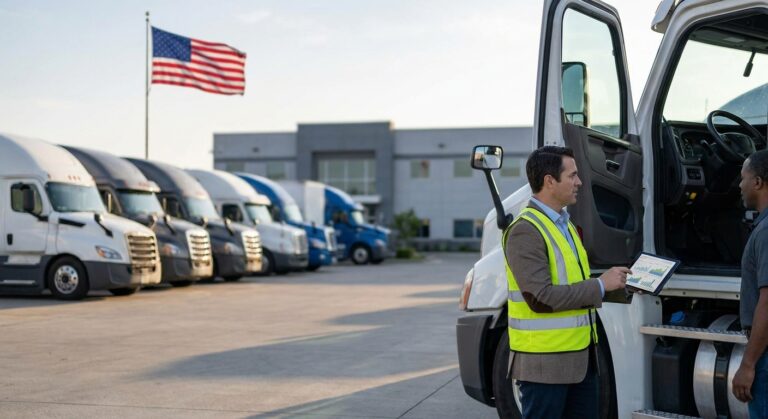
Freight brokers commonly pay on net-30 or net-60 terms, which means a blown transmission in week two can strand a truck for a month while payroll and fuel bills keep coming. Working capital built for trucking can fund in as fast as 24 to 48 hours in 2026, covering repairs, fuel, and driver pay between load payments. Verdict: Buy for owner-operators and small fleets running on broker payment terms. See the trucking company working capital option.
Construction Contractor Funding — the Mobilization Capital Pick
Contractors on public-sector jobs often wait 30 to 90 days for progress payments, but crews, materials, and permits need to be paid up front. Funding sized to cover mobilization costs against a signed contract closes that gap without forcing a contractor to self-finance the job. Verdict: Buy for veterans bidding on government or large commercial construction work. Full details are on the construction contractor funding page.
Equipment Financing — the Machinery Alternative
Equipment financing spreads the cost of machinery over its useful life, typically 3 to 7 years, instead of paying cash up front for a CNC machine or production line. Verdict: Consider this route if you're a veteran-owned manufacturer that needs hard equipment rather than general working capital — it usually carries a lower rate than unsecured financing because the machine backs the loan.
Talk through your funding options
See which structure fits your contract cycle, fleet, or franchise plan.
What to Avoid
- Merchant cash advances with daily ACH pulls. They assume steady daily revenue, which most contract and freight businesses don't have — a slow month can trigger overdrafts.
- Generic "small business loans" marketed with a veteran discount but no real underwriting difference. A lower advertised rate means nothing if the term doesn't match how the business gets paid.
- Short-term loans with heavy personal guarantees stacked on top of an SBA loan already in process. Applying for a second product before the first clears reads as risk to both lenders and can tank both applications.
Verdict Comparison
| Funding Type | Best For | Typical Speed (2026) | Verdict |
|---|---|---|---|
| Franchise financing | New franchise buy-in | 30-60 days (SBA) or faster (alt lenders) | Buy |
| Trucking working capital | Fleet repairs, fuel, payroll gaps | 24-48 hours | Buy |
| Construction contractor funding | Contract mobilization | 1-2 weeks | Buy |
| Equipment financing | Manufacturing machinery | 1-3 weeks | Consider |
| Merchant cash advance (daily pull) | Not recommended for contract-based revenue | 1-3 days | Skip |
FAQ
What’s the best business funding for veteran-owned businesses in 2026?
The best option depends on the industry: franchise financing for buy-ins, working capital for trucking and freight, and mobilization funding for construction contractors. There’s no single best product across every veteran-owned business.
Is SBA funding better than alternative lending for veteran-owned businesses?
SBA 7(a) loans offer lower rates and up to $5 million in 2026, but they can take 30-60 days to close. Alternative lending closes faster, often within days, which matters more when a contract has a hard start date.
How much can a veteran-owned business borrow in 2026?
It depends on the product. SBA 7(a) loans cap at $5 million, while working capital and equipment financing amounts scale with revenue, fleet size, or the equipment being financed.
Do veteran-owned businesses get better loan rates automatically?
Not automatically. Rate depends on revenue, time in business, and collateral, not veteran status alone. VOSB or SDVOSB certification can open specific government set-aside contracts, which indirectly improves funding options by adding predictable revenue.
How fast can a veteran-owned trucking company get working capital?
Working capital for trucking can fund in as fast as 24 to 48 hours in 2026 when the fleet has an operating history and revenue to underwrite against.
What documents do veteran-owned businesses need for funding?
Most lenders ask for bank statements, tax returns, and proof of contracts or purchase orders. Businesses bidding on government work should also have their VOSB or SDVOSB certification ready if applicable.
Can a veteran-owned construction business get funding for a government contract?
Yes. Funding sized against a signed contract can cover mobilization costs like crews, materials, and permits before the first progress payment arrives, typically 30 to 90 days out.
Is a merchant cash advance a good fit for veteran-owned businesses?
Usually not for contract-based businesses. Daily ACH withdrawals assume steady daily revenue, which conflicts with the lump-sum payment cycles common in freight and government contracting.
One Last Thing
The most common funding mistake veteran business owners make in 2026 isn't picking the wrong lender — it's stacking a second application on top of an SBA loan that hasn't cleared yet. Both lenders see the overlapping debt as risk, and it can sink approvals that would've cleared on their own.
Related Guides
Get Funding for Your Veteran-Owned Business
Call 877.977.3015 to walk through funding options built around your contract cycle, fleet, or franchise timeline — not a generic loan template.
Ready to fund your next contract or truck?
Call 877.977.3015 to talk through options built for veteran-owned businesses.