Business Funding · By Trifecta Business Group
A business customer has picked out equipment, but your primary financing channel cannot support the purchase as presented. The customer still needs the machine, your sales team needs a clear next step, and nobody benefits from sending the same incomplete application around. An equipment dealer secondary financing program creates a structured way to explore another commercial financing fit without treating approval as a certainty.
For dealers, the goal is not simply to keep a sale alive. It is to help a business buyer understand whether the equipment and the repayment obligation make sense together. For buyers, the goal is usable equipment with financing the business can realistically carry—not a payment that creates a larger cash-flow problem.
What a Secondary Financing Program Should Do
A secondary program is an additional financing path when a dealer’s primary channel does not fit a business-purpose equipment purchase. That mismatch could involve equipment age, business history, transaction size, industry, documentation, or the buyer’s financial profile. A decline from one channel does not establish eligibility elsewhere, but it can identify questions worth resolving.
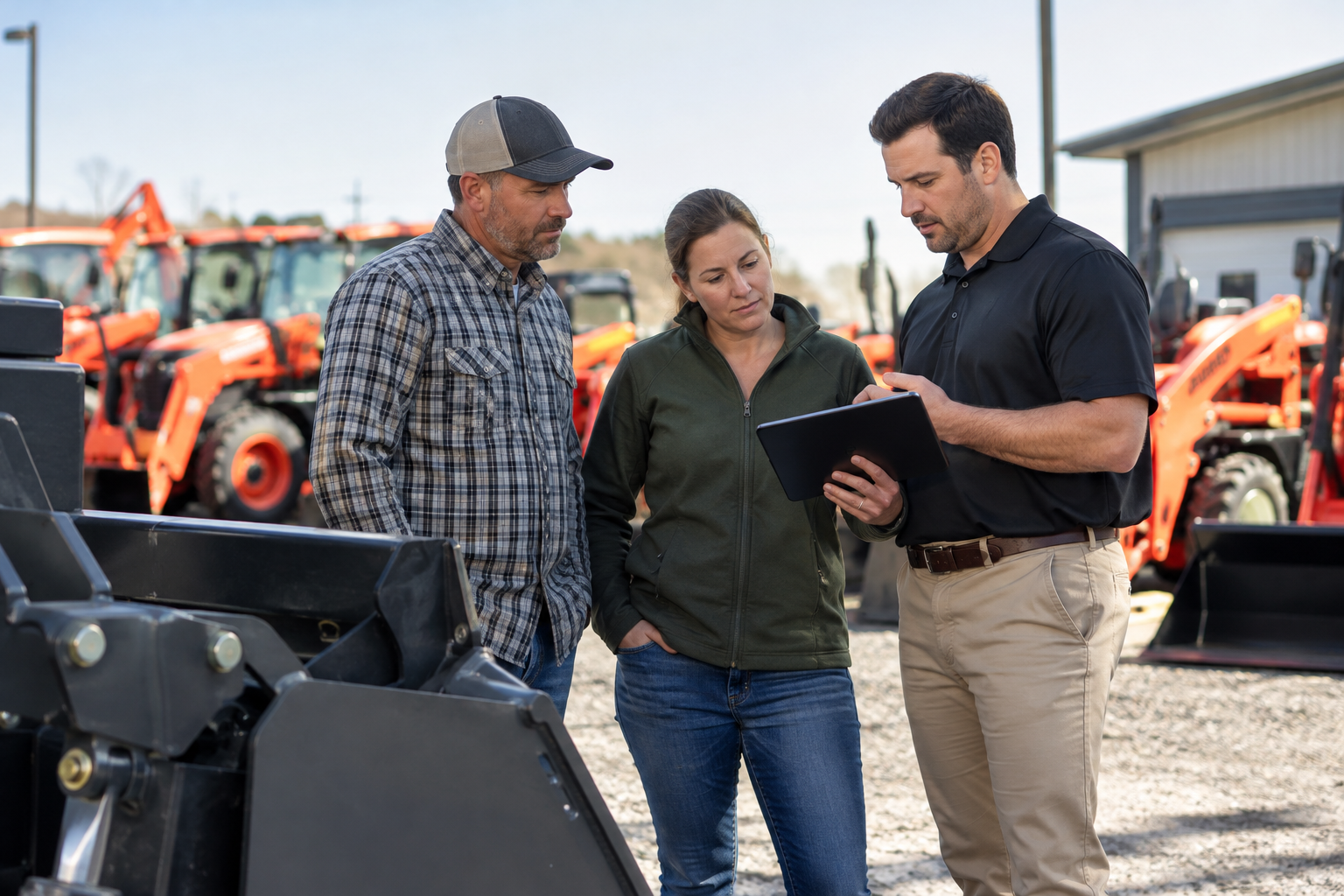
The program should have a defined handoff. With the buyer’s permission, the dealer provides the equipment quote and relevant transaction details. An advisor reviews the business need, identifies missing information, and evaluates whether a suitable financing structure may be available through our lending partners.
Trifecta Business Group’s model is one advisor, one matched lending partner at a time. That gives the dealer and buyer a clear point of contact without implying that every file has a financing solution. Support is remote across all 50 states and Canada, with availability dependent on the transaction, jurisdiction, and applicable program requirements.
Separate the Equipment Sale From the Credit Decision
The dealer can explain the equipment, warranty, delivery requirements, and purchase terms. The financing advisor can explain potential structures and documentation. Credit decisions belong with our lending partners. Sales staff should avoid describing a buyer as approved, quoting unconfirmed terms, or promising a funding date.
A useful introduction is straightforward: “If you want to explore another business financing option, we can connect you with an advisor. Terms and eligibility will depend on review.” This protects customer expectations while keeping the conversation practical.
Review the Trade-Offs Before Moving Forward
Secondary financing is not automatically equivalent to the primary offer or a substitute for affordable financing. Different structures can change the total cost, cash required upfront, ownership rights, and consequences of default. Review the full agreement rather than judging the transaction by the monthly payment alone.
Cost and Repayment
Ask for the amount financed, down payment, payment frequency, number of payments, fees, and total scheduled repayment. Confirm whether taxes, installation, freight, training, or accessories are included. A longer term may lower the regular payment while increasing total cost and extending the obligation beyond the equipment’s most productive years.
For a lease, review end-of-term choices and any purchase option, residual obligation, renewal provision, or return requirement. For a loan, confirm ownership, amortization, and early-payoff terms. A business buyer should know whether paying early reduces financing charges and whether any penalties or minimum charges apply.
The equipment financing overview can help frame the discussion. An estimate from the equipment financing calculator can support budgeting, but it is not an offer and may not capture every contractual charge.
Liens, Guarantees, and Operating Risks
Ask what collateral secures the obligation. A security interest may cover the financed equipment, while some structures may involve additional business assets. Existing liens can affect what is possible. U.S. UCC filings and Canadian security registrations should be reviewed for scope and potential conflicts.
Confirm whether a personal guarantee is required and what recourse applies after default. Business-purpose financing can still create personal exposure through a guarantee. The owner should understand repossession rights, potential remaining balances, insurance requirements, and restrictions on selling or relocating the equipment.
Also test the operational risk. Used equipment may need repairs, installation may delay production, and a new machine may not immediately produce expected revenue. Payments can remain due during downtime. Keep room in the budget for maintenance, insurance, staffing, and a slower-than-planned start.
Alternatives Worth Considering
A smaller purchase, a lower-cost machine, a larger down payment, renting, repairing existing equipment, or postponing the acquisition may be more workable. An existing business credit line could be another option if its terms and available capacity fit the purchase. Preserving cash matters, but financing an asset that does not generate enough value is not a solution.
Short-term products are temporary bridges, not long-term capital for equipment expected to serve the business for years. Frequent repayments can strain operating cash, and assuming a later refinance will solve the problem adds risk. Use the funding comparison guide to consider repayment structures alongside the actual business need.
Gather the Documents and Figures That Matter
A complete package helps an advisor assess fit and identify issues before the buyer makes commitments. Requirements vary, so gather what is available without assuming every item applies to every program.
Dealer and Equipment Checklist
- Itemized quote: Purchase price, taxes, freight, installation, accessories, deposits, and any trade-in allowance.
- Asset details: Make, model, year, serial number when available, condition, hours or usage, and whether the equipment is new or used.
- Supporting records: Photos, inspection reports, service history, warranty information, and seller ownership documentation when relevant.
- Transaction terms: Deposit refundability, quote expiration, delivery conditions, acceptance procedures, and cancellation obligations.
- Existing obligations: Any lien or outstanding financing affecting the equipment or trade-in.
Business Buyer Checklist
- Business identity: Legal name, entity type, operating address, ownership information, and time in business.
- Financial records: Recent business bank statements, available financial statements, and tax returns if requested.
- Debt schedule: Current balances, regular payments, collateral pledged, and any relevant covenant restrictions.
- Cash contribution: Available down payment, its source, and cash remaining after the purchase.
- Equipment purpose: What the asset replaces or adds, expected utilization, and how it supports business revenue or savings.
- Primary-channel feedback: Any explanation already received, shared with permission, without guessing at the reason for a decline.
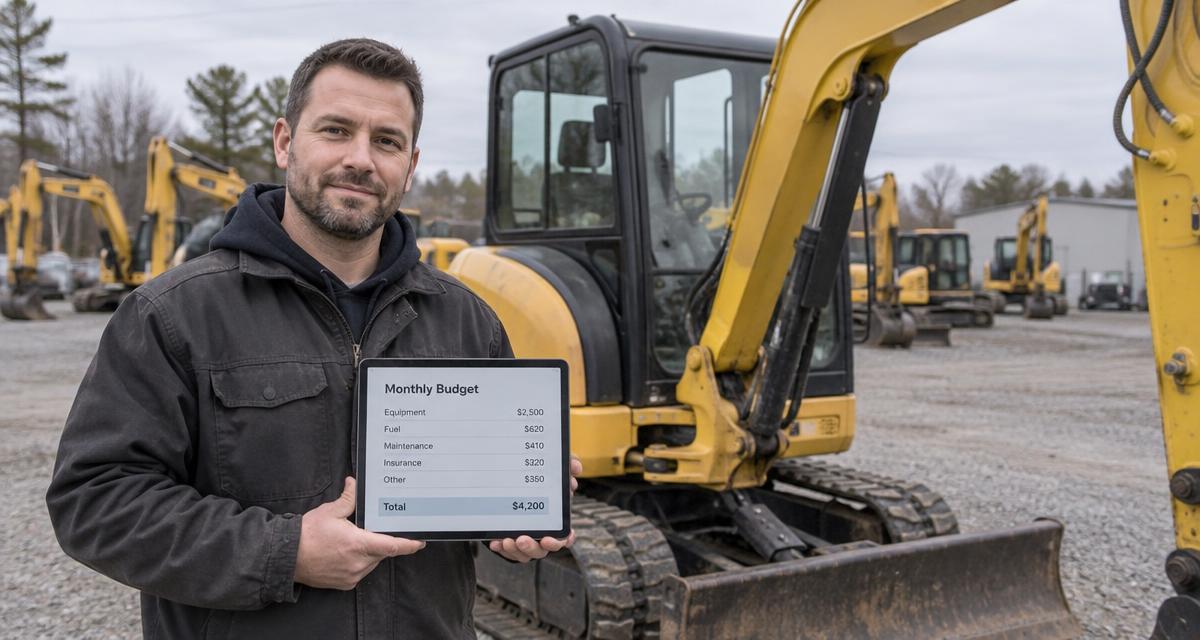
Review three figures before choosing a payment: ordinary monthly cash available after operating expenses, existing debt payments, and the new equipment’s full monthly operating cost. Then test a weaker revenue month and an unexpected repair. If repayment only works under the most optimistic forecast, reconsider the purchase or structure.
FAQ: Equipment Dealer Secondary Financing Programs
Does Secondary Financing Mean the Buyer Has Poor Credit?
No. A primary channel may not support a particular asset, industry, equipment age, or business profile. Secondary financing describes another path to assess, not a credit label. Eligibility and terms still depend on review, and another option may not be available.
Will Exploring Options Trigger a Credit Check?
There is no credit pull to explore. Matched lenders check credit only after the owner consents. Ask what consent covers before proceeding, and use the application process for sensitive information rather than passing financial documents through informal sales messages.
How Can a Dealer or Business Owner Get Started?
Prepare the equipment quote and basic business information, then call Trifecta Business Group at 1.877.977.3015 or begin online. The application takes about 3 minutes, plus document upload. That describes the application step—not a review or funding timeline. Explain any delivery deadline without assuming it can be met, and clarify purchase commitments before paying a deposit.
Want to explore commercial financing options? Start a private application. There is no hard credit pull to explore your options. One advisor will review your situation and match your file with one lending partner at a time. Approval is never guaranteed, and timing depends on the program and the lender.
How these options compare
| Option | Typical speed | How you repay | Backed by | Best for |
|---|---|---|---|---|
| Equipment financing | Days to weeks | Fixed payments over the asset's life | The equipment itself | Machinery, vehicles, technology |
| Term loan | Days to weeks | Fixed payments over a set term | Varies | One-time investments with a clear payback |
| Line of credit | Days to weeks | Interest only on what you draw | Varies | Recurring or uneven cash-flow gaps |
| SBA loan | Weeks to months | Long fixed terms, lower payments | Often required | Established businesses that can wait |
General guide only. Actual speed, cost and terms depend on the lending partner and your file.
Do I need a down payment for equipment financing? +
Not always. Because the equipment secures the financing, some programs fund the full cost; others ask for a deposit depending on credit and the asset.
Can I finance used equipment? +
Often, yes. Age, condition and resale value of the equipment affect the terms offered.
Does applying affect my credit? +
Trifecta Business Group requires no hard credit pull, which does not affect your score. Any hard pull is explained before it happens.
How do I know which funding option fits? +
Start with what the money needs to do, how fast you need it and how you want to repay. Our comparison tool and advisors can help match the program.
Planning your timing
See this month's commercial rate benchmarks before you borrow
Our Small Business Capital & Formation Index tracks the Prime Rate, SBA rate caps, realistic cost ranges by funding type, and new business formation pressure state by state — updated every month.
What are you trying to fund?
Compare flexible working-capital options
Start with working capital and a line of credit, then compare payment structure and speed.
Compare optionsYour next step
Turn price objections into payment conversations
Free for you and your clients. We provide commercial financing only, so we never compete for your client relationship. Your client decides whether to contact us. Dealers sign up on their own program page.
Free Trifecta tools
Put this article to work for your business
Keep learning with Trifecta Business Group