Business Funding · By Trifecta Business Group
Your customer needs the equipment, your quote is ready, and the sale stalls because nobody has worked out how the business will pay. For a commercial equipment dealer, that gap can mean repeated follow-ups, uncertain inventory commitments, and delivery dates that keep moving.
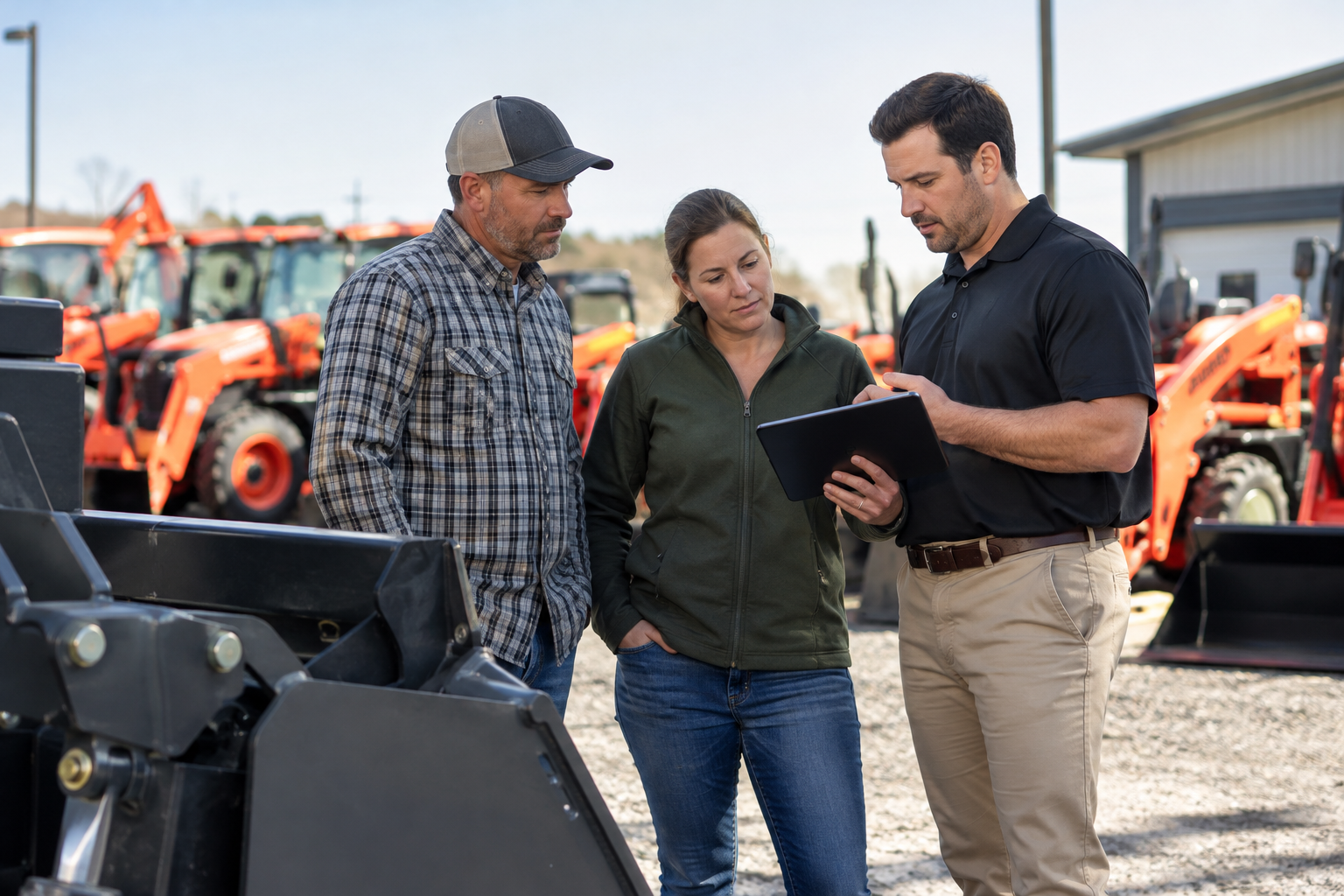
Point-of-sale financing for commercial equipment dealers means introducing business-purpose financing while the buyer is evaluating the equipment—not after every other detail is settled. The goal is to shorten avoidable back-and-forth by getting the purchase, budget, and financing requirements into the same conversation. It cannot guarantee a faster decision or a completed sale.
The useful version is straightforward: explain the available financing models, identify the buyer’s constraints, and prepare a complete equipment quote and application package. Keep the discussion focused on equipment purchased for business use, not personal or household purchases.
Understand the Financing Trade-Offs Before Selling the Payment
A monthly payment can make equipment feel affordable without showing whether the transaction makes financial sense. Before introducing a financing option, help the buyer distinguish purchase price, financed balance, total repayment, and the obligations that survive if business conditions change.
Equipment Loans and Leases
An equipment loan generally finances a purchase, with the equipment serving as collateral. A lease provides use of the equipment under a contract; ownership, purchase options, return conditions, and end-of-term obligations depend on its terms. Neither structure should be described as automatically cheaper or easier to obtain.
Buyers should compare down payments, fees, payment frequency, term length, and total cash outlay. For leases, include any advance payments, residual amount, purchase-option price, and return expenses. For loans, check whether early repayment reduces financing charges and whether prepayment penalties apply. A longer term can lower scheduled payments while increasing total cost and extending the obligation beyond the equipment’s useful life.
Security and recourse matter too. Financing may involve a lien on the equipment, a broader security interest, or a personal guarantee. A personal guarantee can create personal liability for business debt; it does not make the transaction consumer financing. Buyers should understand default remedies and have their legal or financial advisers review unclear provisions. Our equipment financing overview provides a starting point for discussing these structures.
Other Ways to Fund the Purchase
Cash avoids financing charges but reduces reserves available for payroll, repairs, and slow-paying customers. An existing business credit line may offer flexibility, but using it for equipment can leave less room for operating needs. Renting, buying used equipment, repairing an existing unit, or delaying the purchase may be sensible alternatives.
Short-term working capital and revenue-based products are temporary bridges, not long-term capital for equipment expected to earn its keep over several years. Frequent payments can strain cash flow before a new machine reaches normal utilization. A buyer considering a bridge should identify a realistic repayment source rather than assume refinancing will become available.
Discuss operating risk alongside borrowing cost. Installation delays, training, downtime, seasonality, and weaker demand can all reduce the cash available for repayment. Projected revenue is not the same as contracted revenue, and the equipment payment remains due under the agreement even when utilization disappoints.
Gather the Documents and Figures That Prevent Rework
A practical checklist helps the dealer and buyer discover missing information before it becomes a closing issue. Requirements vary by program, jurisdiction, equipment, and business profile. Collect sensitive financial documents through an appropriate secure process, not through a casual sales email chain.
Dealer and Equipment Details
- Complete quote: Dealer identity, buyer’s legal business name, equipment description, make, model, year, quantity, and serial numbers when available.
- Itemized costs: Separate equipment price, taxes, freight, installation, training, warranties, and optional accessories. Do not assume every cost can be financed.
- Condition and ownership: Identify new or used status, available maintenance records, seller ownership, and any existing liens requiring resolution.
- Transaction terms: Document deposit requirements, refund conditions, quote expiration, availability, delivery arrangements, and acceptance procedures.
- Supplier information: Have payment instructions and supporting business details ready for independent verification.
Buyer Documents and Cash-Flow Figures
- Business information: Legal name, address, ownership details, time in business, business activity, and the intended commercial use of the equipment.
- Financial records: Gather recent business bank statements, current financial statements, tax returns if requested, and a schedule of existing business debt.
- Available contribution: Identify cash available for the down payment, taxes, installation, and other costs not included in financing.
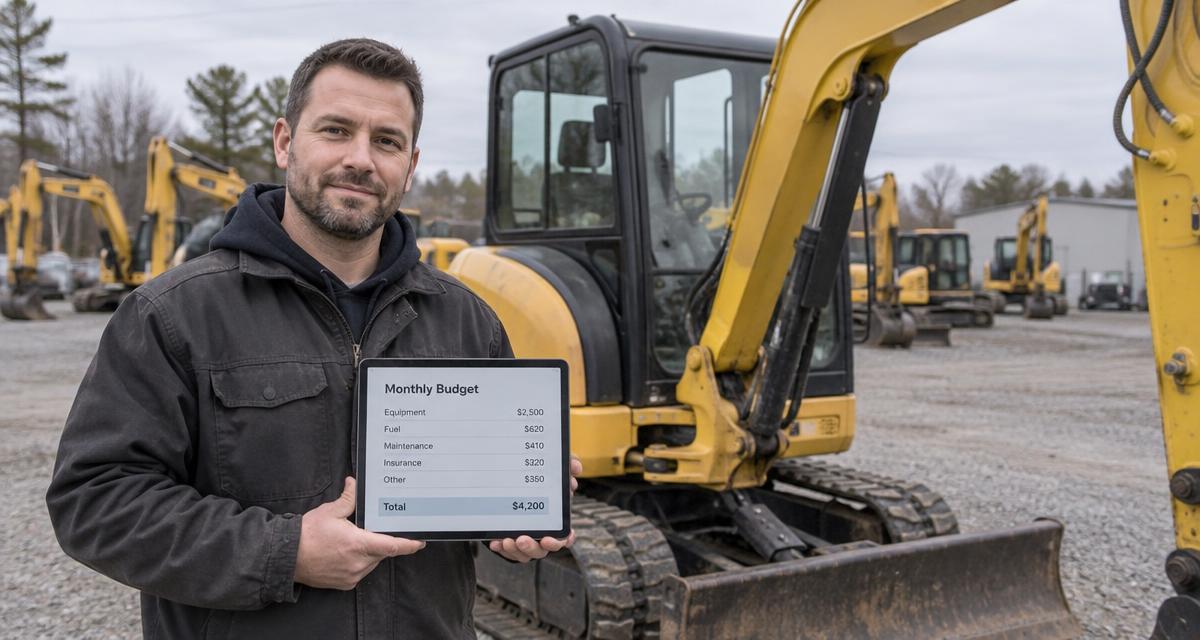
- Operating assumptions: Estimate utilization, incremental revenue, labor, maintenance, insurance, utilities, and time needed to put the equipment into service.
- Repayment capacity: Review cash remaining after existing debt payments and essential expenses, including a slower-sales scenario.
- Security questions: Flag existing equipment liens, blanket security interests, and restrictions in current financing agreements.
An equipment financing calculator can help a buyer test payment assumptions. Its output is a planning estimate, not an offer, and may exclude fees or other contractual costs. Compare the estimate with actual cash flow rather than gross sales alone.
Build Financing Into the Sales Conversation Earlier
Financing works best as a clearly defined step in the equipment purchase, not a last-minute rescue. Dealers can reduce preventable delays by making responsibilities and dependencies visible from the start.
- Ask about payment plans during discovery. Determine whether the business expects to pay cash, use existing credit, or explore financing. Ask about its operating budget without suggesting an amount it will qualify for.
- Prepare a finance-ready quote. Separate required equipment from optional upgrades. If the specification changes, issue an updated quote so the buyer and financing contact evaluate the same purchase.
- Make a permission-based introduction. Explain who will receive the buyer’s information and why. Do not forward financial documents without authorization.
- Identify open conditions. Track missing documents, equipment verification, insurance requirements, deposit arrangements, and any delivery or acceptance conditions.
- Confirm before releasing equipment. A preliminary discussion or application is not approval or funding. Follow the final transaction instructions and verify disbursement requirements before delivery.
At Trifecta Business Group, the process is one advisor and one matched lending partner at a time. There is no credit pull to explore; our lending partners check credit only after the owner consents. Dealers should avoid quoting rates, payment terms, approval outcomes, or funding dates that have not been established for the actual transaction.
Track where purchases pause: incomplete quotes, missing buyer documents, changed equipment selections, or unresolved delivery conditions. Those observations help improve the sales process without pressuring buyers into unsuitable debt.
Frequently Asked Questions
Does Point-of-Sale Financing Guarantee a Shorter Sales Cycle?
No. It can reduce avoidable handoffs and bring affordability questions forward, but underwriting, documentation, equipment verification, and buyer decisions still affect timing. Measure fewer repeated requests and clearer next steps rather than promising a closing date.
Can a Buyer Include Installation and Other Purchase Costs?
Possibly, depending on the program and transaction. Itemize freight, installation, taxes, training, and accessories so they can be reviewed separately. The buyer should retain enough cash for excluded costs and operating needs after delivery.
How Can a Dealer Introduce a Business Buyer to Trifecta?
With the buyer’s permission, direct them to Trifecta Business Group or call 1.877.977.3015 to discuss the process. Trifecta serves businesses remotely across all 50 states and Canada. The application takes about three minutes, plus document upload; that is not a financing decision timeline.
Want to explore commercial financing options? Start a private application. There is no hard credit pull to explore your options. One advisor will review your situation and match your file with one lending partner at a time. Approval is never guaranteed, and timing depends on the program and the lender.
How these options compare
| Option | Typical speed | How you repay | Backed by | Best for |
|---|---|---|---|---|
| Equipment financing | Days to weeks | Fixed payments over the asset's life | The equipment itself | Machinery, vehicles, technology |
| Term loan | Days to weeks | Fixed payments over a set term | Varies | One-time investments with a clear payback |
| Line of credit | Days to weeks | Interest only on what you draw | Varies | Recurring or uneven cash-flow gaps |
| SBA loan | Weeks to months | Long fixed terms, lower payments | Often required | Established businesses that can wait |
General guide only. Actual speed, cost and terms depend on the lending partner and your file.
Do I need a down payment for equipment financing? +
Not always. Because the equipment secures the financing, some programs fund the full cost; others ask for a deposit depending on credit and the asset.
Can I finance used equipment? +
Often, yes. Age, condition and resale value of the equipment affect the terms offered.
Does applying affect my credit? +
Trifecta Business Group requires no hard credit pull, which does not affect your score. Any hard pull is explained before it happens.
How do I know which funding option fits? +
Start with what the money needs to do, how fast you need it and how you want to repay. Our comparison tool and advisors can help match the program.
Planning your timing
See this month's commercial rate benchmarks before you borrow
Our Small Business Capital & Formation Index tracks the Prime Rate, SBA rate caps, realistic cost ranges by funding type, and new business formation pressure state by state — updated every month.
What are you trying to fund?
Compare flexible working-capital options
Start with working capital and a line of credit, then compare payment structure and speed.
Compare optionsYour next step
Turn price objections into payment conversations
Free for you and your clients. We provide commercial financing only, so we never compete for your client relationship. Your client decides whether to contact us. Dealers sign up on their own program page.
Free Trifecta tools
Put this article to work for your business
Keep learning with Trifecta Business Group